 Kari Safaris
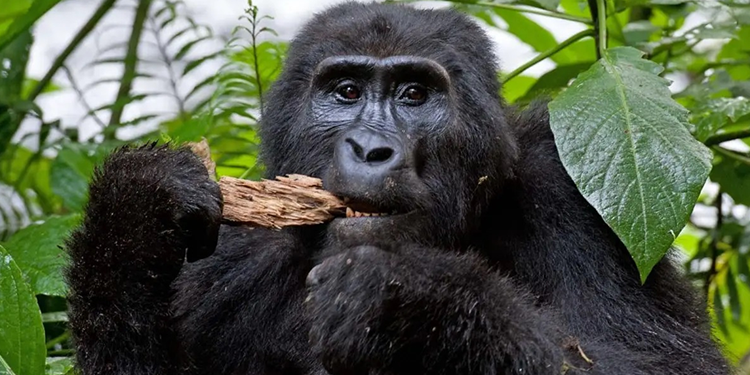
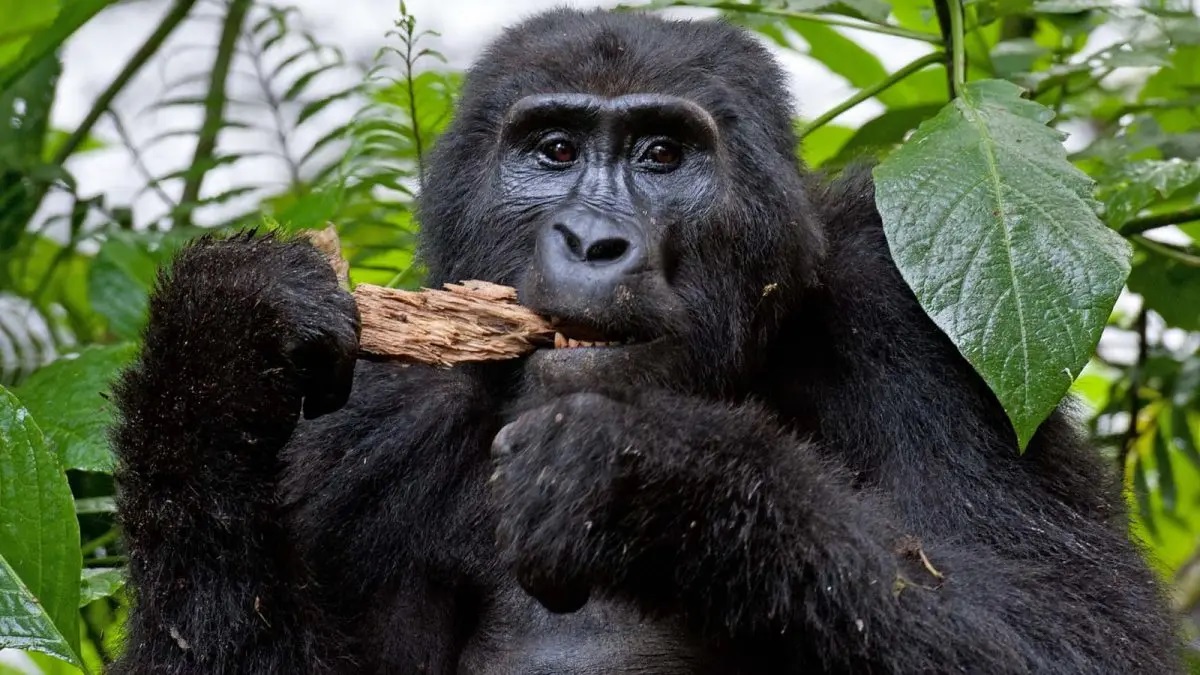
Gorilla Safari Tours to Bwindi Forest National Park
The endangered Mountain gorillas are only found in three countries: Rwanda, Uganda and the Democratic Republic of Congo, and only in two forests—Bwindi, where we were, and the Virunga range of extinct volcanoes.
The population is desperately endangered; only about 880 remain in the world. The eastern gorilla subspecies was first discovered in 1902 and almost immediately became a target for poachers who wanted to sell the fur and sometimes meat.
Due to over-hunting, deforestation and disease, the population declined to about 250 in the late 1950s, when conservationists began an intense tracking program to try to save the remaining gorillas.
Now that number is rising, thanks also in part to these gorilla trekking safaris, which began in the late 90s as a source of sustainable tourism. In 2010, a new census showed the population had increased to 480 gorillas; that number has nearly doubled since.
Mountain Gorilla Safaris, Top Picks
Sitting in silence on the cold ground of a Ugandan forest for 60 minutes might be one of life’s greatest privileges. There are fewer than 900 mountain gorillas in existence, and gorilla trekking safaris provide a rare opportunity to observe the everyday interactions of these gentle, mysterious primates. Here are some of the gorilla trekking safari packages we have prepared for your selection.
Visit the home of the last remaining gorillas
There are two gorilla trekking spots in Uganda: Bwindi Impenetrable Forest National Park and Mgahinga Gorilla National Park. Gorillas don’t pay mind to political borders, so populations across the Virungas are relatively fluid. Uganda has an edge, however, since Bwindi alone is home to half of the world’s mountain gorillas.
Mountain gorillas live only in the dense forests on and around the Virunga mountains in Rwanda, Uganda, and the Democratic Republic of the Congo.
Bwindi Impenetrable Forest National Park (also called “The Place of Darkness” due to its dense treetops) is an ancient, montane and lowland forest spanning 128 square miles. The region was named a UNESCO World Heritage site thanks to its incredible biodiversity and the large number of endangered species that call it home.
Mgahinga Gorilla National Park accounts for 13 square miles of the larger Virunga habitat, which stretches across 168 square miles into Rwanda and the Democratic Republic of the Congo. The national park includes three of the eight major Virunga peaks: Mount Gahinga, Mount Muhabura and Mount Sabyinyo.
Permits are affordable
There are strict regulations in place to make sure the gorillas stay healthy and wild—starting with the gorilla trekking permit process. Daily viewings of each gorilla group are extremely limited, so visitors should apply well before their desired dates.
In Uganda, permit costs $800. In contrast, permits in Rwanda now cost $1,500 year-round.
Most trekking in Uganda takes place in Bwindi, where there are multiple starting points and several gorilla families to track. Visits are led by park rangers and groups of eight are allowed to observe the gorillas for one hour, in silence and at a safe distance.
Trek the challenging terrain
One look at southwestern Uganda’s green terraced hills and rolling volcanic slopes and it’s clear this area of the country is not for the faint of heart. Add in the high altitude and the challenging terrain, and gorilla trekking in Uganda promises to be the adventure of a lifetime.
It’s hard work to reach the gorillas. It requires navigating uphill and downhill through thick tangles of vines, thorns, and roots. The appropriately named Bwindi Impenetrable Forest National Park is only accessible by foot. There are no paths, no signs, no directions—and more often than not, no clearings (which is why the park rangers carry machetes). The good news? The reward seems that much better after all of the hard work.
Gorillas and more primates
Uganda is a primate-lover’s dream. In addition to mountain gorillas, Mgahinga is home to another endangered species: the golden monkey.
These furry, comical monkeys live high up in bamboo forests. Tracking golden monkeys is very similar to tracking gorillas, but the trek itself is not quite as challenging.
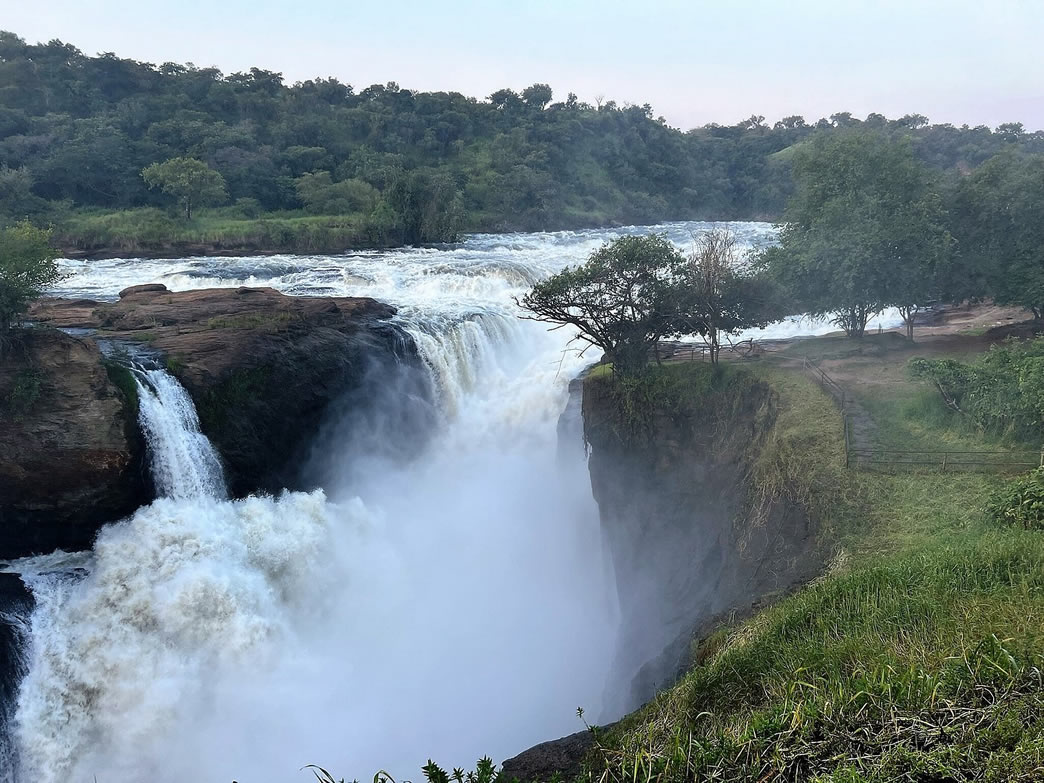
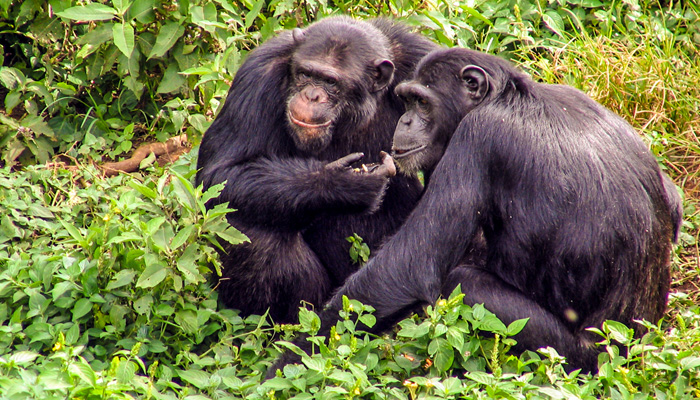
Further afield, Bwindi has L’hoest monkeys, gray-cheeked mangabeys, and blue monkeys. In Kibale Forest National Park, chimpanzees steal the show. Patas monkeys roam around Murchison Falls National Park.
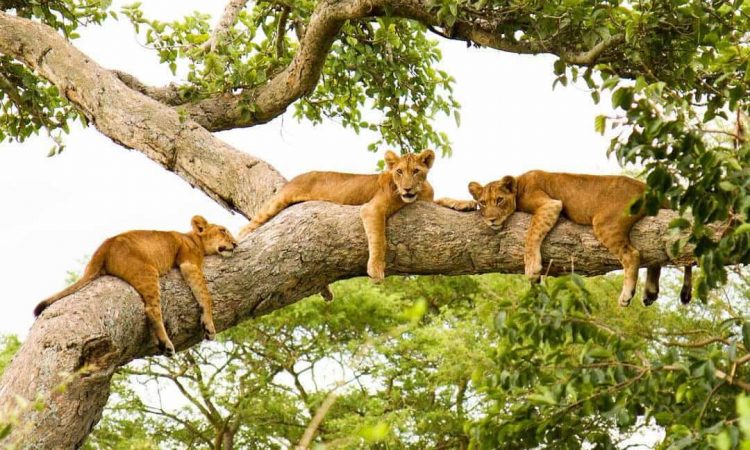
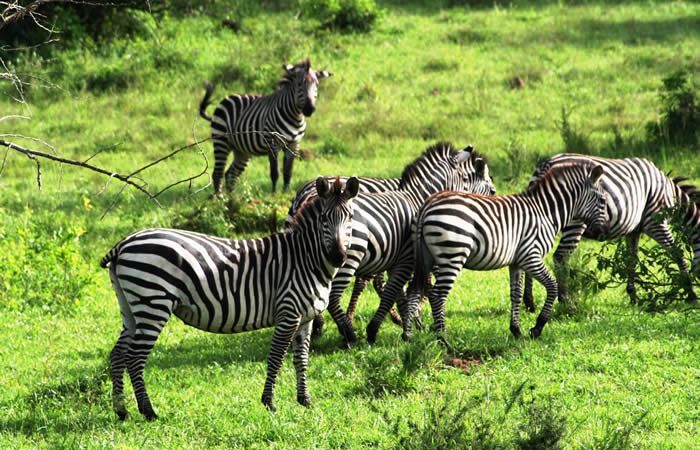
Queen Elizabeth National Park has blue monkeys and red-tailed monkeys (not to mention non-primates, like lions and elephants).
Leave a Reply